

Best Comforts for a Dying Dog in Final Days
- Christina Barber
- 2 days ago
- 5 min read

The best comforts for a dying dog are rarely elaborate. More often, they are the familiar things that tell your companion they are safe: their own bed, the sound of your voice, a favorite blanket, and the quiet presence of the people they love. When time feels painfully short, comfort is not about doing everything perfectly. It is about noticing what helps your dog rest and making room for peaceful moments together.
As a dog’s health changes, their needs may change from day to day, or even hour to hour. A thoughtful comfort plan can ease discomfort, reduce stress, and help your family stay focused on connection rather than uncertainty.
Best Comforts for a Dying Dog Begin With a Safe Place
Choose a resting area that is easy to reach, quiet, and close to family life without being busy. Many dogs want to remain near their people, even when they no longer have the energy to participate in the household as they once did. A supportive orthopedic bed, thick blankets, or layered towels can cushion sore joints and protect bony areas from pressure.
Keep the space on one level if possible. Stairs, slick tile, and long walks to get outside can become frightening or painful for a weak dog. Non-slip rugs or yoga mats can provide traction between their bed, water bowl, and the door. If your dog cannot rise easily, a soft sling or folded towel placed under the belly can offer gentle support for short trips outside.
Temperature matters, especially in the Phoenix area. Older or ill dogs may have trouble regulating body temperature. Offer a cool, shaded room and fresh air when it is hot, but avoid direct blasts from an air-conditioning vent. If your dog seems chilled, a light blanket may feel reassuring. Watch their cues rather than assuming they need warmth or coolness.
Make Pain Relief and Daily Care the Priority
A peaceful final season depends on comfort being addressed medically as well as emotionally. Pain can look different in every dog. Some become restless, pant more, tremble, resist being touched, hide, or seem unable to settle. Others grow quiet and withdrawn. Changes in appetite, sleep, posture, breathing, mobility, and interest in favorite activities are all worth sharing with your veterinarian.
Your veterinarian can help create a hospice or palliative care plan that reflects your dog’s diagnosis and your family’s goals. This may include pain medication, medications for nausea or anxiety, appetite support, or treatments that make breathing and movement easier. Give every medication only as prescribed. Human pain relievers can be dangerous for dogs, even when they seem like a simple way to help.
Gentle hygiene is another meaningful comfort. Keep bedding clean and dry, especially if accidents are becoming more frequent. Use a warm, damp cloth to clean soiled fur, then dry your dog carefully. If they cannot move much, help them change position periodically, as tolerated, to reduce stiffness and pressure on the skin. These quiet acts of care can preserve dignity while helping your dog feel more at ease.
Food, Water, and the Changing Appetite
Food often carries a great deal of emotion for families. A dog who once raced to the kitchen may begin turning away from meals, eating only small bites, or refusing food altogether. This can be one of the most heartbreaking changes to witness.
Offer small portions of foods your dog enjoys, as long as they are safe within the guidance of your veterinarian. Warming food slightly can make it more fragrant and appealing. Some dogs prefer hand-feeding, a spoonful at a time, or simply sitting beside their bowl with a loved one nearby. Fresh water should always be close, and a shallow bowl may be easier to reach.
But do not force food or water. Pressuring a dog to eat can cause stress, nausea, or choking. Near the end of life, reduced appetite is often part of the body’s natural slowing process. Your presence is more valuable than finishing a meal.
Offer Familiarity, Not Constant Activity
Dogs do not need a final bucket list to know they are loved. For some, a slow morning in the backyard, a sunbeam on the floor, or the scent of a well-worn shirt offers more comfort than an outing. Follow your dog’s lead. If they brighten at the sight of a favorite person or still enjoy a very short walk, those moments can be lovely. If they prefer sleep, let rest be enough.
Keep the household gentle where you can. Lower the television volume, ask visitors to speak softly, and give children clear, loving guidance about approaching carefully. A dog who is losing vision, hearing, or strength may startle more easily. Let them know you are near before touching them, and avoid moving them unless necessary.
Simple sensory comforts can also help: a familiar blanket, calm music, a favorite chew if it is safe for them, or the smell of home. These are not cures, and they do not need to be. They are reminders that your dog remains surrounded by a life they recognize.
Comfort for a Dying Dog Also Means Watching Their Quality of Life
Love can make it hard to see whether a dog is having more difficult days than peaceful ones. A quality-of-life journal can bring gentle clarity. Each day, note whether your dog seemed comfortable, could rest, ate or drank voluntarily, enjoyed affection, moved with reasonable ease, and had more good moments than hard ones.
There is no single score that can make this decision for you. A dog with a serious illness may still have meaningful, comfortable days. Another may be suffering despite eating or wagging their tail occasionally. The question is not whether your dog can still have one good moment. It is whether comfort, peace, and dignity remain a consistent part of their day.
Talk openly with your veterinarian before a crisis occurs. Ask what changes may be expected, what symptoms require urgent help, and how you will know when euthanasia may be the kindest choice. Planning does not mean you are giving up. It can mean you are protecting your dog from a frightening emergency and giving your family time to choose a peaceful goodbye.
Preparing for a Gentle Goodbye at Home
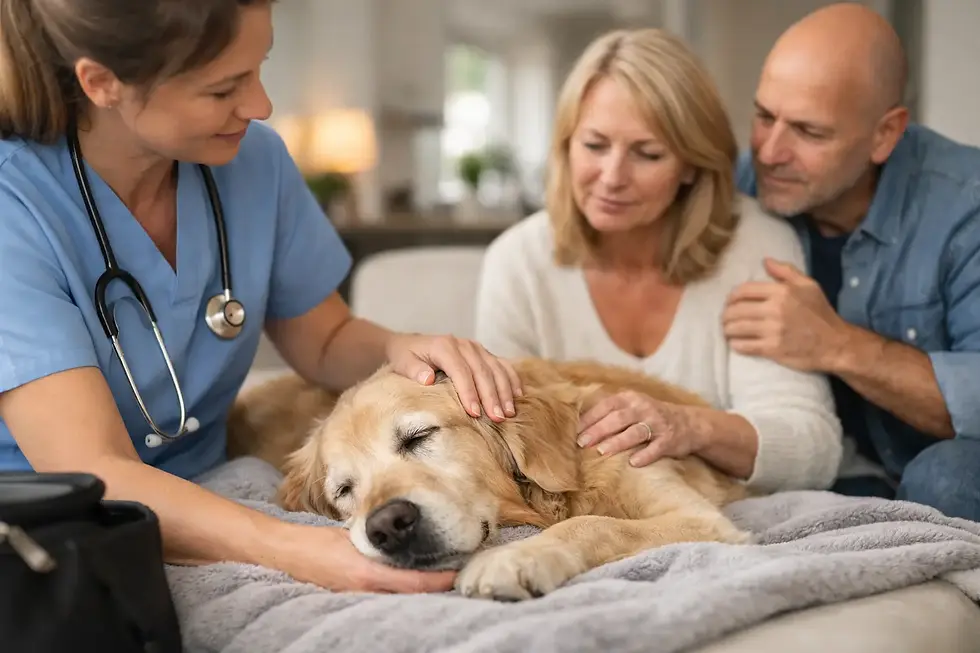
For many families, home is where their dog feels most secure. In-home euthanasia allows a beloved dog to rest in a familiar place, with familiar scents and the people who have loved them throughout their life. There is no hurried waiting room, difficult car ride, or need to leave immediately after saying goodbye.
If you are considering this option, you do not need to prepare your home perfectly. Choose the spot where your dog is most comfortable. You may wish to have their favorite blanket nearby, play quiet music, invite only the people who feel essential, or keep the gathering very private. Some families offer a favorite treat if their dog is interested. Others simply hold a paw and speak softly.
At Forever Loved Veterinary Services, in-home euthanasia care is centered on a calm, personal experience and unhurried guidance for families facing this decision. The goal is not to rush grief or make the moment feel clinical. It is to help a cherished companion leave this world surrounded by safety and love.
The final days with a dog can hold deep sorrow, but they can also hold tenderness: a warm head in your lap, a familiar sigh, the quiet rhythm of breathing beside you. You do not have to make every moment meaningful. Being there, responding gently to what they need, and letting them feel loved is already a profound gift.


Comments